
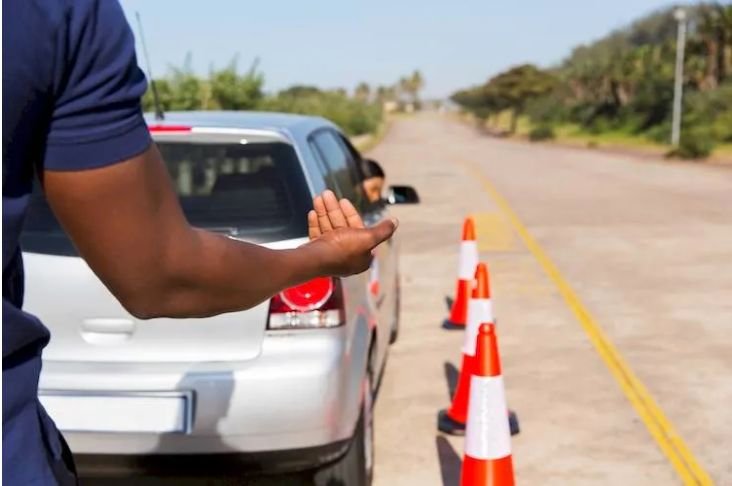
Reversing is one of the most important driving skills every driver should master. Whether you’re backing out of a driveway, reverse parking, or performing a three-point turn, reversing requires patience, observation, and good vehicle control.
Many beginner drivers find reversing challenging because the vehicle moves in the opposite direction to the steering wheel. However, with the right technique and regular practice, reversing becomes much easier and safer.
In this guide, you’ll learn how to reverse safely, avoid common mistakes, and build confidence every time you get behind the wheel.
Why Is Safe Reversing Important?
Although reversing is usually done at low speeds, many parking lot and driveway accidents happen while vehicles are moving backwards. Limited visibility, blind spots, pedestrians, cyclists, and other vehicles can all increase the risk of a collision.
Safe reversing helps you:
- Avoid accidents
- Protect pedestrians and cyclists
- Prevent damage to your vehicle
- Improve parking accuracy
- Increase confidence behind the wheel
- Develop better overall driving skills
Remember, reversing slowly gives you more time to observe and react.
Step 1: Check Your Surroundings
Before you even shift into reverse, take a moment to inspect the area around your vehicle.
Look for:
- Pedestrians
- Children playing nearby
- Cyclists
- Pets
- Shopping trolleys or bins
- Other vehicles
- Low walls or poles
- Curbs and obstacles
If possible, walk around your car before reversing, especially in unfamiliar areas.
Step 2: Adjust Your Mirrors
Properly adjusted mirrors improve your visibility and help reduce blind spots.
Before driving:
- Adjust the rear-view mirror.
- Position both side mirrors correctly.
- Ensure your windows are clean.
- Remove anything blocking your rear view.
Remember that mirrors are helpful, but they do not show everything.
Step 3: Use the Correct Driving Position
Before reversing:
- Fasten your seat belt.
- Sit comfortably with your feet reaching the pedals.
- Hold the steering wheel securely.
- Turn your upper body to look through the rear window whenever possible.
Looking directly behind your vehicle provides a much clearer view than relying only on mirrors or cameras.
Step 4: Reverse Slowly
One of the biggest mistakes beginner drivers make is reversing too quickly.
Always:
- Release the brake gently.
- Move at walking speed.
- Cover the brake pedal so you can stop immediately if needed.
- Make smooth steering movements.
The slower you reverse, the more time you have to react to unexpected hazards.
Step 5: Keep Observing
Observation should never stop while reversing.
Continuously check:
- Rear window
- Left mirror
- Right mirror
- Blind spots
- Surrounding traffic
Keep scanning your surroundings instead of focusing on just one area.
Step 6: Steer Smoothly
Remember that when reversing:
- Turning the steering wheel left moves the rear of the vehicle to the left.
- Turning the steering wheel right moves the rear of the vehicle to the right.
Avoid sudden steering movements. Small adjustments are usually all that’s needed.
Step 7: Use a Reverse Camera as an Aid
Many modern vehicles are equipped with reversing cameras and parking sensors.
These features are helpful, but they should never replace proper observation.
Always:
- Check your mirrors.
- Look over your shoulder.
- Use the camera as an additional safety tool.
Technology assists the driver—it doesn’t replace safe driving habits.
Common Situations Where You’ll Need to Reverse
You may need to reverse when:
- Backing out of a driveway
- Reverse parking into a parking space
- Leaving a parking space
- Performing a three-point turn
- Positioning your vehicle in a garage
- Reversing on quiet residential streets when necessary
Each situation requires careful observation and slow vehicle control.
Common Mistakes Beginner Drivers Make While Reversing
Avoid these common errors:
- Reversing too fast
- Looking only at the reverse camera
- Forgetting to check blind spots
- Turning the steering wheel too much
- Not checking mirrors regularly
- Panicking when the vehicle isn’t perfectly aligned
- Failing to stop when visibility is poor
These mistakes are common, but they can be corrected with practice.
Tips to Improve Your Reversing Skills
Here are some simple ways to become more confident:
- Practise in an empty car park.
- Place cones or markers to simulate parking spaces.
- Reverse in a straight line before attempting more complex manoeuvres.
- Practise reverse parking from both sides.
- Ask an experienced driver or instructor to guide you.
- Focus on smooth steering rather than rushing.
Consistent practice builds confidence.
Safety Tips for Reversing
Always remember these important safety rules:
- Reverse only when necessary.
- Move slowly at all times.
- Keep both hands ready to steer.
- Stop immediately if someone enters your path.
- Never rely solely on mirrors or cameras.
- Stay patient and avoid rushing.
- If you’re unsure, stop and reassess the situation.
Safe drivers never sacrifice safety for speed.
Practising for Your Driving Test
Reversing is often assessed during practical driving tests.
Your examiner will be looking for:
- Good observation
- Smooth vehicle control
- Correct mirror use
- Safe steering
- Proper speed
- Awareness of surrounding traffic
Practising these skills regularly will improve your chances of passing your driving test.
Final Thoughts
Reversing safely is a skill that every driver develops through practice and patience. By taking your time, checking your surroundings, using your mirrors correctly, and staying alert, you’ll become more confident every time you reverse.
Remember, reversing isn’t about speed—it’s about control, awareness, and making safe decisions.
The more you practise, the more natural it will become.
Learn Safe Reversing with Apex Academy
At Apex Academy, our experienced instructors help learners master reversing techniques, reverse parking, three-point turns, and other essential driving skills in a safe and supportive environment.
Whether you’re preparing for your driving test or simply want to improve your confidence behind the wheel, we’re here to help.
Book your driving lesson today and learn to reverse safely with confidence!

 Sydney, NSW, Australia
 1300 123 456
 Info@apexacdemy.com
 Mon–Sun: 8:00 AM – 8:00 PM